With the various types of inhalers that Respiratory therapist encounter, it can be hard to keep track of them all. When I was a Respiratory student, I found it hard to keep track of the different types of inhalers. The purpose of this blog is to go over some of the common types of inhalers.
Meter dose inhalers (MDI) look like the inhaler pictured below. This type of inhaler needs to be used with a spacer (aerosol chamber), also pictured below. This device helps more of the medication get to where it is supposed to go. There are instructions for this, to the right of this post.
 |
| Spacer |
 |
| MDI |
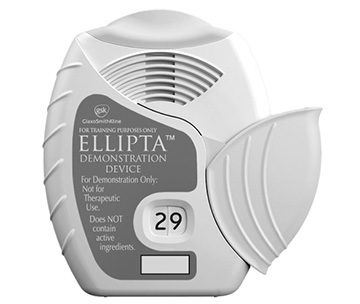
Dry powdered inhalers or DPI's, these devices do not need to be used with a spacer. Below are some examples of what the different inhalers may look like. When inhaling a powder, the patient needs to inhale quickly and hold their breath for 10 seconds.
| DPI |
 |
| dpi diskus |
| respimat |
Short-acting bronchodilator (SABA)
Short-acting muscarinic agonist (SAMA)
or a "rescue" inhaler, as it is sometimes referred to, contains medication that acts quickly to reverse bronchospasm. This medication acts very quickly in your lungs. The medication peaks around 15 minutes after inhaling it and can last for up to four hours in your system.
SABA
Albuterol, Ventolin, Proventil, Proair (1-2 puffs)
Levalbuterol, Xopenex (1-2 puffs)
SAMA
Atrovent (2 puffs)
SABA/SAMA
Combivent(albuterol/atrovent)(2 puffs)
Long-acting beta-adrenergic agonist(LABA)
Long-acting muscarinic antagonist's (LAMA)
contain medication that also reverse bronchospasm but they last for 12 to 24 hours, depending on which medication is being used.
LABA
Foradil (12 hr. medication/BID)
Serevent diskus (12 hr. medication/BID)
Arcapta (24 hr. medication/BID)
Striverdi respimat (24 hr. medication/daily)
LAMA
Incruse (24 hr. medication/BID)
Spiriva handihaler, respimat(24 hr. medication/daily)
Tudorza (12 hr. medication/BID)
Inhaled corticosteroids (ICS)
are anti-inflammatory medications. Most are taken twice a day, 12 hours apart but there are many newer medications that are taken once a day. After using this medication the patient needs to rinse their mouth and spit that water out.
Azmacort (12 hr. medication/BID)
Qvar (12 hr. medication/BID)
Alvesco (12 hr. medication/BID)
Flovent (12 hr. medication/BID)
Asmanex (12 hr. medication/BID)
Arnuity ellipta (24 hr. medication/once daily)
Combination medications
are maintenance medications that contain an ICS and a LABA or have a LABA/LAMA combination.
ICS/LABA
Advair diskus (12 hr. medication/BID)
Symbicort mdi (12 hr. medication/BID)
Dulera mdi (12 hr. medication/BID)
Breo Ellipta (24 hr. medication/daily)
LAMA/LABA
Anoro Ellipta (24 hr. medication/daily)
Bevespi mdi (12 hr. medication/BID)
Stiolto respimat (24 hr. medication/daily)
Stressing the difference between the maintenance medication and the rescue inhaler, is extremely important. Many patients will mix up the instructions for their inhalers, taking them incorrectly and not use them as prescribed. This will not relieve the patients symptoms and can be very costly to the patient.
With every new inhaled medication prescribed, the patient should receive quality instructions on how to use that device. As respiratory therapists, our job is to educate patients about their lung disease, how the medications work, when to use them and help the patient with an action plan.
References
- Giraud, V., Roche, N.. Misuse of corticosteroid metered-dose inhaler is associated with decreased asthma stability. The European respiratory journal. 2002; 19: 246-51. Available from: https://www.ncbi.nlm.nih.gov/pubmed/11866004
- Melani AS, Bonavia M, Cilenti V, et al. Inhaler mishandling remains common in real life and is associated with reduced disease control. Respir Med. 2011; 105: 930-8. Available from: http://www.ncbi.nlm.nih.gov/pubmed/21367593

No comments:
Post a Comment